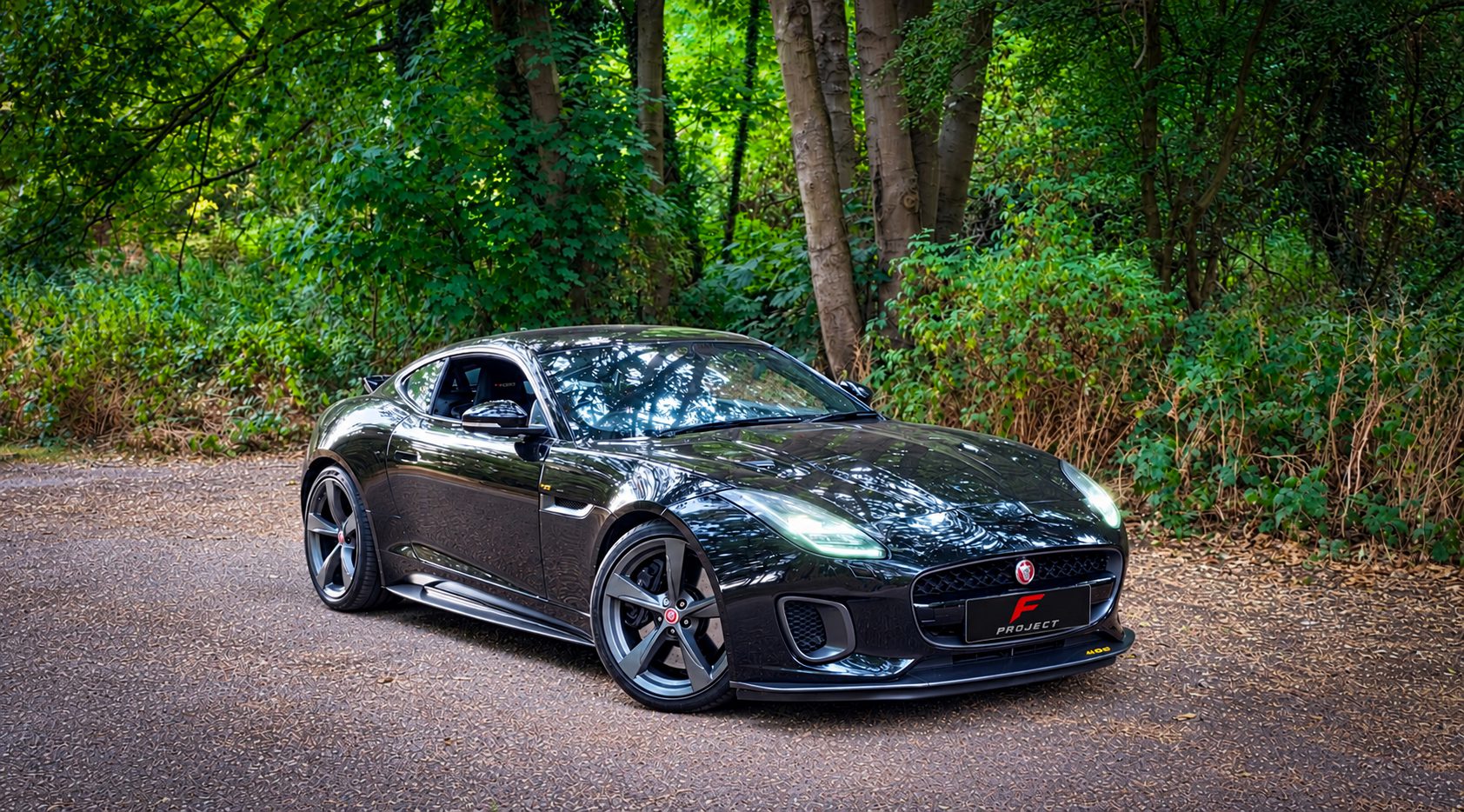
The Two-Seater Dream: A Journey to the Jaguar F-Type 400 SPORT
For Mark Stacey, the journey to owning a Jaguar F-TYPE 400 SPORT didn’t begin with a search for a Jaguar.
It began with a Mitsubishi Starion, a Cars & Coffee event and the sight of something that would ultimately change the direction of his automotive ambitions.
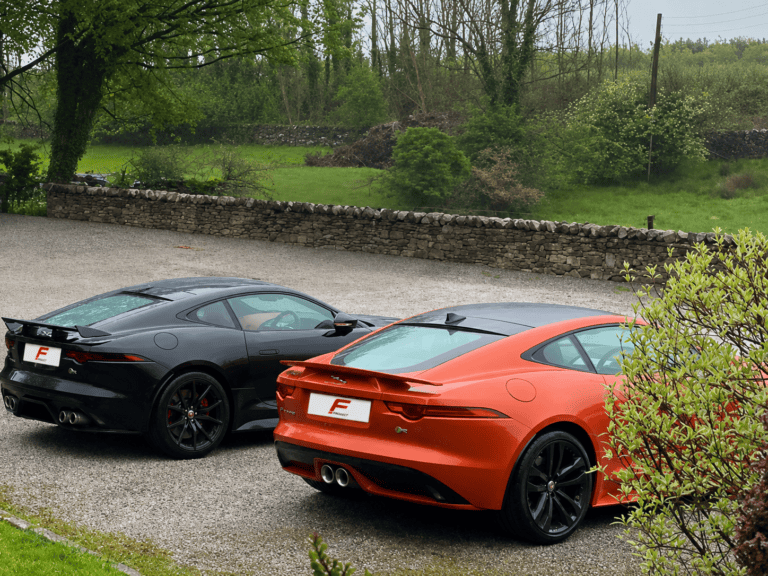
“I was at a Cars & Coffee event in my Mitsubishi Starion when someone brought along a stunning F-TYPE V8 SVR,” he recalls. “That got me totally lusting after an F-TYPE.”
The SVR certainly made an impression, but there was one obvious problem. As spectacular as the V8-powered F-TYPE was, its running costs would be difficult to justify.
That didn’t put an end to the idea of owning an F-TYPE, though. Instead, it led to a search through the rest of the range.
Discovering the V6
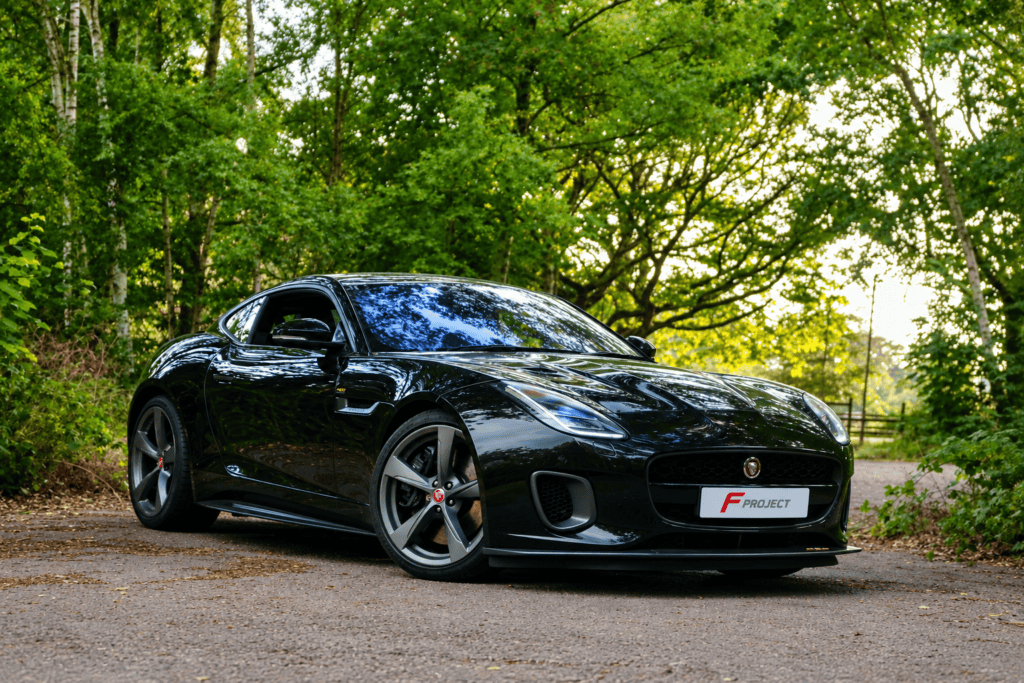
The supercharged V6 soon became the preferred choice.
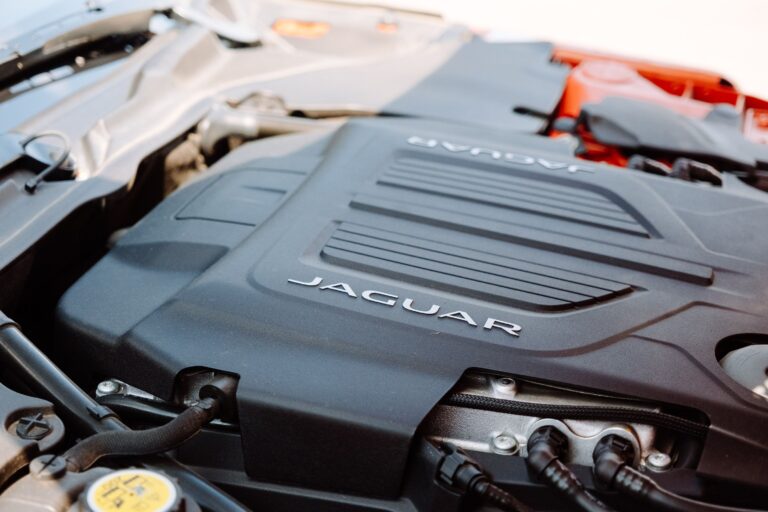
There was more to the attraction than simply the lower running costs. The character of the six-cylinder engine was also particularly appealing.
“The V6 had a raspy exhaust note compared to the low-down V8 rumble,” he explains. “The V6 has its own awesome sound, especially at high revs with its aggressive popping on overrun.”
That combination of sound, performance and more manageable ownership costs made the V6 an increasingly attractive proposition.
There was, however, another challenge.
A specific list of options was required, including a glass roof, heated steering wheel, heated and cooled seats, heated front screen and full memory seats.
Finding a V6 with everything wanted proved difficult.
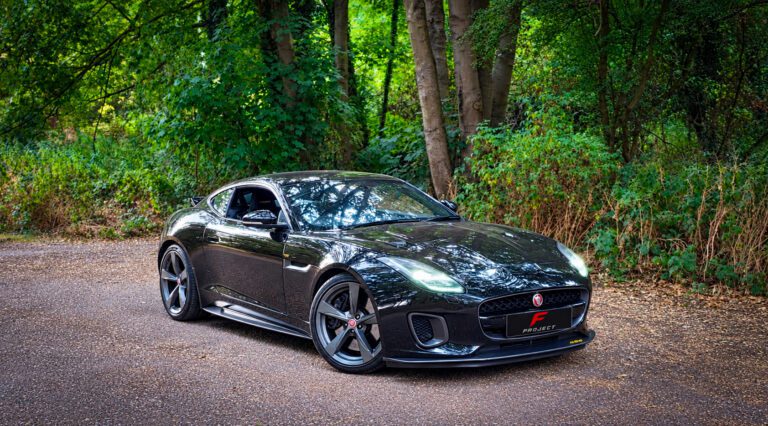
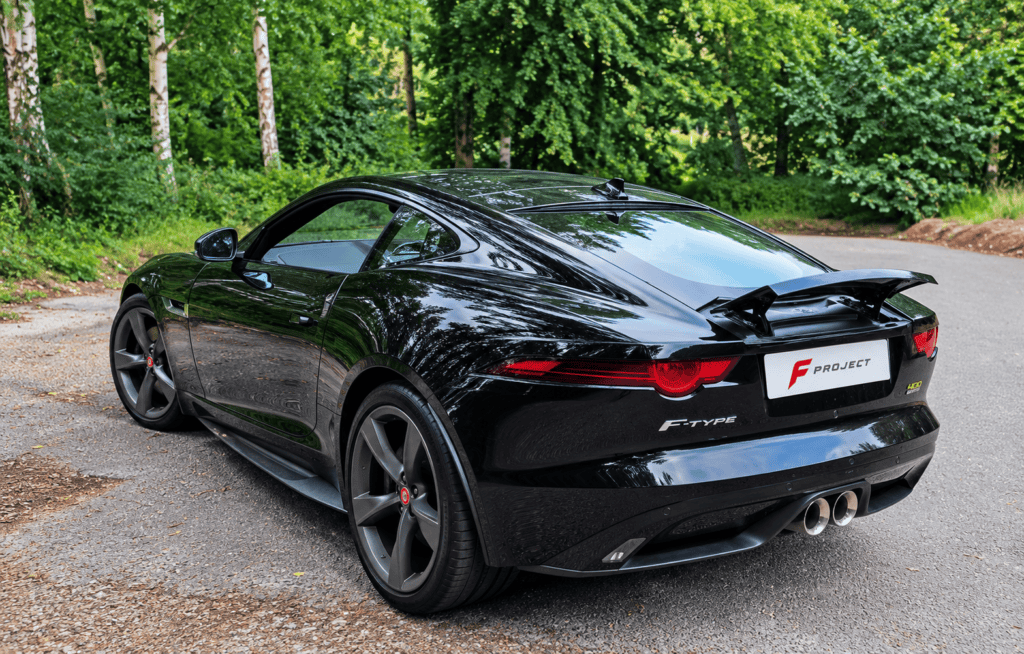
Then came the discovery of the F-TYPE 400 SPORT.
The 400 SPORT Changes Everything
The 400 SPORT appeared to offer the answer to the specification problem.
Rather than searching endlessly for a V6 fitted with the preferred options, the 400 SPORT came with the equipment wanted as part of its comprehensive specification.
Suddenly, the decision became considerably easier.
There was also another side to the 400 SPORT that made it especially appealing: the economics of ownership.
With its V6 engine, the car offered considerably more manageable running costs than the V8 that had first inspired the search. It was listed as being capable of more than 40 mpg, while the annual road tax was just £195 at the time.
For someone buying a genuine two-seat sports car, those figures made the idea much easier to justify.
“Obviously, when you buy a sports car you expect a certain amount of running costs,” he says, “but this made it remarkably easy to justify financially.”
The decision was made.
And then the right car appeared.
The Right Car Was Close to Home
The 400 SPORT that finally caught his attention was an all-wheel-drive example for sale nearby.
It had the specification he was looking for, and the opportunity became even more convenient when the dealer selling the Jaguar contacted him about his BMW.
Remarkably, the dealer was interested in taking the BMW as a part exchange. The call was unrelated to the Jaguar, but it quickly became apparent that a deal could be done.
“I told them I was interested in the Jag and we struck a part-ex deal.”
And just like that, the search was over.
The F-TYPE had been found.
A 400 SPORT With the Details Right
The 400 SPORT has the kind of specification that makes the special edition particularly appealing.
Inside, the black leather seats are finished with optional yellow twin stitching. Not every 400 SPORT received the same interior treatment, with some examples featuring white stitching instead, making the yellow-accented interior another distinctive feature of this particular car.
It is the sort of detail that becomes increasingly significant once an owner has spent time with a car. The 400 SPORT was already designed to stand apart from the standard F-TYPE, but individual specification can make one example feel that little bit more personal.
For its owner, this is more than simply a 400 SPORT.
It is his car, and after everything that came before it, that matters.
A Serious Automotive History
The F-TYPE may have been the car he had always wanted, but it arrived after an impressive history of performance cars.
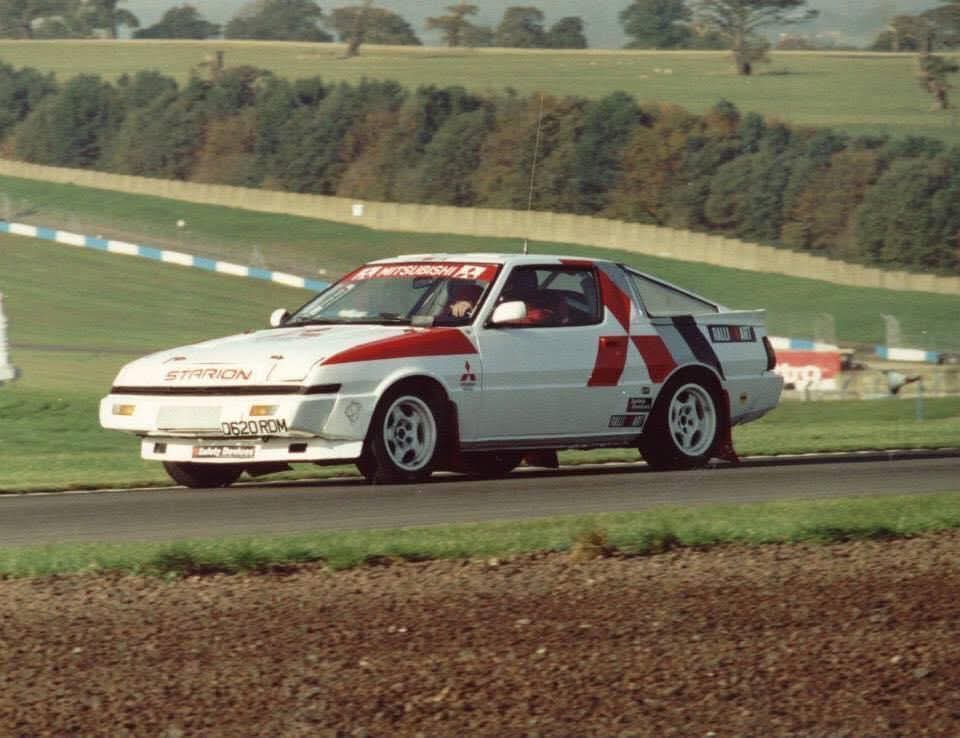
Previous cars include several Mitsubishi Starions, ranging from narrow-bodied and wide-bodied versions to something particularly special: a genuine works Ralliart Group A rally car.
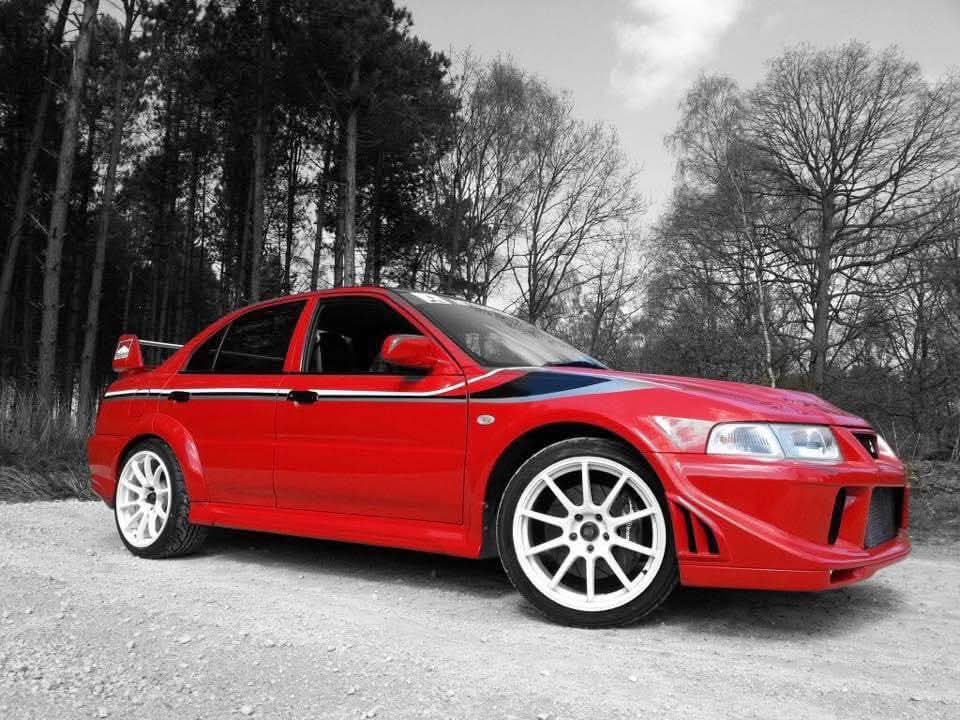
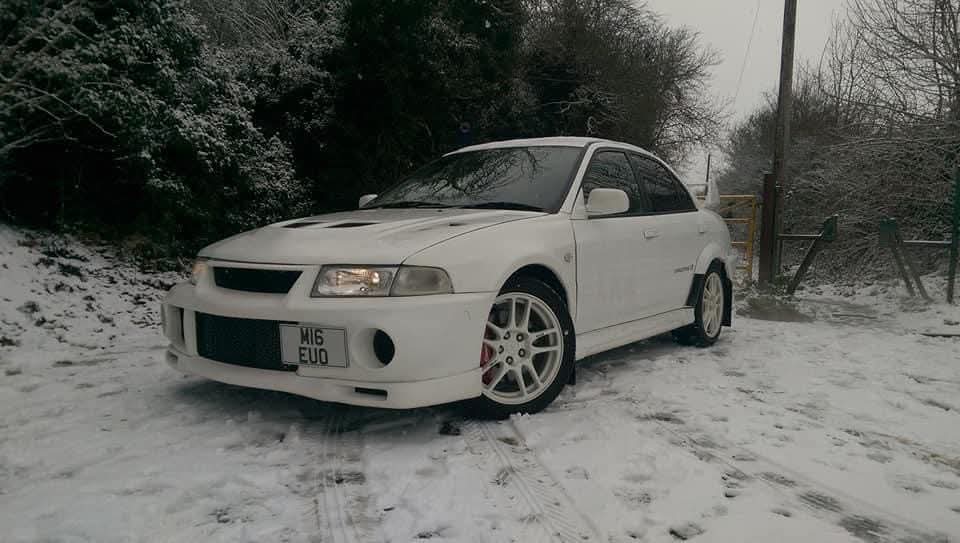
There have also been plenty of Mitsubishi Evos, including an EVO 5, EVO 6, Tommi Makinen special edition and EVO X.
It is a background that makes his verdict on the Jaguar particularly significant.
“It’s without doubt the best car I’ve owned,” he says.
For someone who has owned that collection of performance machinery, it is quite an endorsement.
The Two-Seat Dream
There is also something about the F-TYPE that goes beyond its engine, equipment or performance figures.
At 60, he had reached a point where there was one type of car he still wanted to experience properly.
“I’ve always wanted a proper, out-and-out two-seater sports car,” he says.
The F-TYPE 400 SPORT finally gave him exactly that.
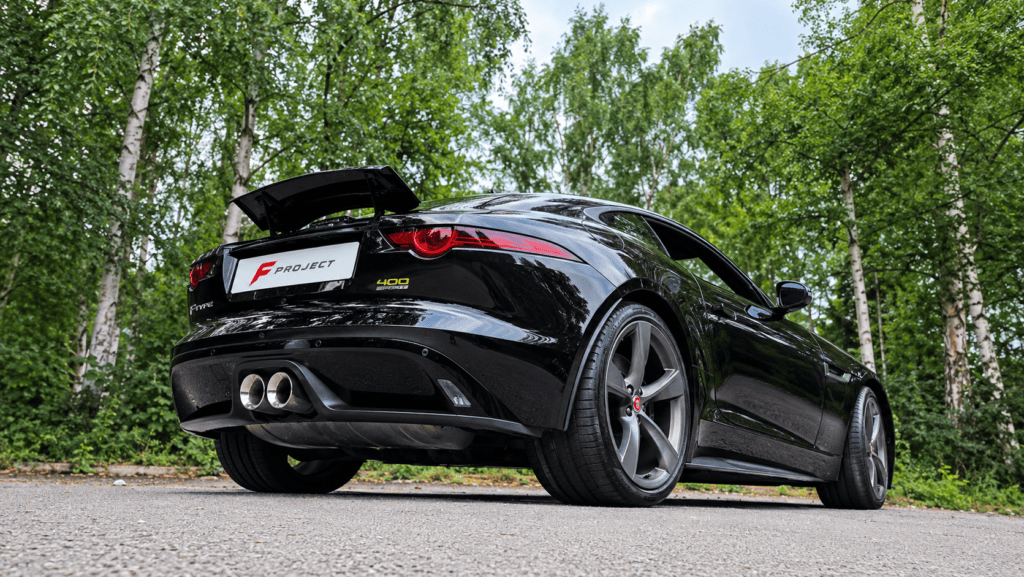
It combines the character of Jaguar’s supercharged V6 with the distinctive specification of the 400 SPORT, while the all-wheel-drive system gives this particular car another layer of capability.
More importantly, though, it fulfils a long-standing ambition.
After Starions, rally cars and Evos, his automotive journey has taken him to a very different kind of performance car.
A Jaguar.
A two-seater.
And a special-edition F-TYPE that delivers the drama he wanted without demanding the V8 running costs that initially put the SVR out of reach.
“The 400 SPORT certainly ticks that box.”
And perhaps that is what makes this F-TYPE story so relatable. Sometimes the car you eventually buy isn’t the one that first captures your imagination.
It is the one that makes you realise you can actually have the experience you’ve been looking for.
An Owner Story following Mark Stacey’s journey to owning a Jaguar F-TYPE 400 SPORT.